产品: Ki67 抗体
货号: AF0198
描述: Rabbit polyclonal antibody to Ki67
应用: WB IHC IF/ICC
文献验证: WB, IHC, IF/ICC
反应: Human, Mouse, Rat
预测: Bovine, Rabbit, Dog
分子量: 358kDa; 359kD(Calculated).
蛋白号: P46013
RRID: AB_2834152

浏览相似产品>>

   规格 价格 库存
 50ul RMB¥ 1000 1250 现货
 100ul RMB¥ 1840 2300 现货
 200ul RMB¥ 3000 现货

货期: 当天发货

联系销售

产品描述

来源:
Rabbit
应用:
WB 1:500-1:2000, IHC 1:50-1:200, IF/ICC 1:100-1:500
*The optimal dilutions should be determined by the end user. For optimal experimental results, antibody reuse is not recommended.
*Tips:

WB: 适用于变性蛋白样本的免疫印迹检测. IHC: 适用于组织样本的石蜡(IHC-p)或冰冻(IHC-f)切片样本的免疫组化/荧光检测. IF/ICC: 适用于细胞样本的荧光检测. ELISA(peptide): 适用于抗原肽的ELISA检测.

反应:
Human, Mouse, Rat
预测:
Bovine(100%), Rabbit(%), Dog(%)
克隆:
Polyclonal
特异性:
Ki67 Antibody detects endogenous levels of total Ki67.
RRID:
AB_2834152
引用格式: Affinity Biosciences Cat# AF0198, RRID:AB_2834152.
偶联:
Unconjugated.
纯化:
The antiserum was purified by peptide affinity chromatography using SulfoLink™ Coupling Resin (Thermo Fisher Scientific).
保存:
Rabbit IgG in phosphate buffered saline , pH 7.4, 150mM NaCl, 0.02% sodium azide and 50% glycerol. Store at -20 °C. Stable for 12 months from date of receipt.
别名:

展开/折叠

Antigen identified by monoclonal antibody Ki 67; Antigen identified by monoclonal antibody Ki-67; Antigen KI-67; Antigen KI67; Antigen Ki67; KI67_HUMAN; KIA; Marker of proliferation Ki-67; MIB 1; MIB; MKI67; PPP1R105; Proliferation marker protein Ki-67; Proliferation related Ki 67 antigen; Protein phosphatase 1 regulatory subunit 105; RP11-380J17.2;

抗原和靶标

免疫原:

A synthesized peptide derived from human Ki67, corresponding to a region within the internal amino acids.

Uniprot:
基因/基因ID:
描述:
KI-67 a protein that may be a marker of proliferating cells, involved in chromatin compaction. Its expression is altered in many tumor types including osteosarcomas, histiocytomas, prostate, breast and esophageal cancers. Mutated in colon, cervical and lung cancers.
序列:
MWPTRRLVTIKRSGVDGPHFPLSLSTCLFGRGIECDIRIQLPVVSKQHCKIEIHEQEAILHNFSSTNPTQVNGSVIDEPVRLKHGDVITIIDRSFRYENESLQNGRKSTEFPRKIREQEPARRVSRSSFSSDPDEKAQDSKAYSKITEGKVSGNPQVHIKNVKEDSTADDSKDSVAQGTTNVHSSEHAGRNGRNAADPISGDFKEISSVKLVSRYGELKSVPTTQCLDNSKKNESPFWKLYESVKKELDVKSQKENVLQYCRKSGLQTDYATEKESADGLQGETQLLVSRKSRPKSGGSGHAVAEPASPEQELDQNKGKGRDVESVQTPSKAVGASFPLYEPAKMKTPVQYSQQQNSPQKHKNKDLYTTGRRESVNLGKSEGFKAGDKTLTPRKLSTRNRTPAKVEDAADSATKPENLSSKTRGSIPTDVEVLPTETEIHNEPFLTLWLTQVERKIQKDSLSKPEKLGTTAGQMCSGLPGLSSVDINNFGDSINESEGIPLKRRRVSFGGHLRPELFDENLPPNTPLKRGEAPTKRKSLVMHTPPVLKKIIKEQPQPSGKQESGSEIHVEVKAQSLVISPPAPSPRKTPVASDQRRRSCKTAPASSSKSQTEVPKRGGRKSGNLPSKRVSISRSQHDILQMICSKRRSGASEANLIVAKSWADVVKLGAKQTQTKVIKHGPQRSMNKRQRRPATPKKPVGEVHSQFSTGHANSPCTIIIGKAHTEKVHVPARPYRVLNNFISNQKMDFKEDLSGIAEMFKTPVKEQPQLTSTCHIAISNSENLLGKQFQGTDSGEEPLLPTSESFGGNVFFSAQNAAKQPSDKCSASPPLRRQCIRENGNVAKTPRNTYKMTSLETKTSDTETEPSKTVSTANRSGRSTEFRNIQKLPVESKSEETNTEIVECILKRGQKATLLQQRREGEMKEIERPFETYKENIELKENDEKMKAMKRSRTWGQKCAPMSDLTDLKSLPDTELMKDTARGQNLLQTQDHAKAPKSEKGKITKMPCQSLQPEPINTPTHTKQQLKASLGKVGVKEELLAVGKFTRTSGETTHTHREPAGDGKSIRTFKESPKQILDPAARVTGMKKWPRTPKEEAQSLEDLAGFKELFQTPGPSEESMTDEKTTKIACKSPPPESVDTPTSTKQWPKRSLRKADVEEEFLALRKLTPSAGKAMLTPKPAGGDEKDIKAFMGTPVQKLDLAGTLPGSKRQLQTPKEKAQALEDLAGFKELFQTPGHTEELVAAGKTTKIPCDSPQSDPVDTPTSTKQRPKRSIRKADVEGELLACRNLMPSAGKAMHTPKPSVGEEKDIIIFVGTPVQKLDLTENLTGSKRRPQTPKEEAQALEDLTGFKELFQTPGHTEEAVAAGKTTKMPCESSPPESADTPTSTRRQPKTPLEKRDVQKELSALKKLTQTSGETTHTDKVPGGEDKSINAFRETAKQKLDPAASVTGSKRHPKTKEKAQPLEDLAGLKELFQTPVCTDKPTTHEKTTKIACRSQPDPVDTPTSSKPQSKRSLRKVDVEEEFFALRKRTPSAGKAMHTPKPAVSGEKNIYAFMGTPVQKLDLTENLTGSKRRLQTPKEKAQALEDLAGFKELFQTRGHTEESMTNDKTAKVACKSSQPDPDKNPASSKRRLKTSLGKVGVKEELLAVGKLTQTSGETTHTHTEPTGDGKSMKAFMESPKQILDSAASLTGSKRQLRTPKGKSEVPEDLAGFIELFQTPSHTKESMTNEKTTKVSYRASQPDLVDTPTSSKPQPKRSLRKADTEEEFLAFRKQTPSAGKAMHTPKPAVGEEKDINTFLGTPVQKLDQPGNLPGSNRRLQTRKEKAQALEELTGFRELFQTPCTDNPTTDEKTTKKILCKSPQSDPADTPTNTKQRPKRSLKKADVEEEFLAFRKLTPSAGKAMHTPKAAVGEEKDINTFVGTPVEKLDLLGNLPGSKRRPQTPKEKAKALEDLAGFKELFQTPGHTEESMTDDKITEVSCKSPQPDPVKTPTSSKQRLKISLGKVGVKEEVLPVGKLTQTSGKTTQTHRETAGDGKSIKAFKESAKQMLDPANYGTGMERWPRTPKEEAQSLEDLAGFKELFQTPDHTEESTTDDKTTKIACKSPPPESMDTPTSTRRRPKTPLGKRDIVEELSALKQLTQTTHTDKVPGDEDKGINVFRETAKQKLDPAASVTGSKRQPRTPKGKAQPLEDLAGLKELFQTPICTDKPTTHEKTTKIACRSPQPDPVGTPTIFKPQSKRSLRKADVEEESLALRKRTPSVGKAMDTPKPAGGDEKDMKAFMGTPVQKLDLPGNLPGSKRWPQTPKEKAQALEDLAGFKELFQTPGTDKPTTDEKTTKIACKSPQPDPVDTPASTKQRPKRNLRKADVEEEFLALRKRTPSAGKAMDTPKPAVSDEKNINTFVETPVQKLDLLGNLPGSKRQPQTPKEKAEALEDLVGFKELFQTPGHTEESMTDDKITEVSCKSPQPESFKTSRSSKQRLKIPLVKVDMKEEPLAVSKLTRTSGETTQTHTEPTGDSKSIKAFKESPKQILDPAASVTGSRRQLRTRKEKARALEDLVDFKELFSAPGHTEESMTIDKNTKIPCKSPPPELTDTATSTKRCPKTRPRKEVKEELSAVERLTQTSGQSTHTHKEPASGDEGIKVLKQRAKKKPNPVEEEPSRRRPRAPKEKAQPLEDLAGFTELSETSGHTQESLTAGKATKIPCESPPLEVVDTTASTKRHLRTRVQKVQVKEEPSAVKFTQTSGETTDADKEPAGEDKGIKALKESAKQTPAPAASVTGSRRRPRAPRESAQAIEDLAGFKDPAAGHTEESMTDDKTTKIPCKSSPELEDTATSSKRRPRTRAQKVEVKEELLAVGKLTQTSGETTHTDKEPVGEGKGTKAFKQPAKRKLDAEDVIGSRRQPRAPKEKAQPLEDLASFQELSQTPGHTEELANGAADSFTSAPKQTPDSGKPLKISRRVLRAPKVEPVGDVVSTRDPVKSQSKSNTSLPPLPFKRGGGKDGSVTGTKRLRCMPAPEEIVEELPASKKQRVAPRARGKSSEPVVIMKRSLRTSAKRIEPAEELNSNDMKTNKEEHKLQDSVPENKGISLRSRRQNKTEAEQQITEVFVLAERIEINRNEKKPMKTSPEMDIQNPDDGARKPIPRDKVTENKRCLRSARQNESSQPKVAEESGGQKSAKVLMQNQKGKGEAGNSDSMCLRSRKTKSQPAASTLESKSVQRVTRSVKRCAENPKKAEDNVCVKKIRTRSHRDSEDI

种属预测

种属预测:

score>80的预测可信度较高,可尝试用于WB检测。*预测模型主要基于免疫原序列比对,结果仅作参考,不作为质保凭据。

Species
Results
Score
Rabbit
100
Bovine
100
Dog
82
Chicken
55
Xenopus
45
Pig
0
Horse
0
Sheep
0
Zebrafish
0
Model Confidence:
High(score>80) Medium(80>score>50) Low(score<50) No confidence

研究背景

功能:

Required to maintain individual mitotic chromosomes dispersed in the cytoplasm following nuclear envelope disassembly. Associates with the surface of the mitotic chromosome, the perichromosomal layer, and covers a substantial fraction of the chromosome surface. Prevents chromosomes from collapsing into a single chromatin mass by forming a steric and electrostatic charge barrier: the protein has a high net electrical charge and acts as a surfactant, dispersing chromosomes and enabling independent chromosome motility. Binds DNA, with a preference for supercoiled DNA and AT-rich DNA. Does not contribute to the internal structure of mitotic chromosomes (By similarity). May play a role in chromatin organization. It is however unclear whether it plays a direct role in chromatin organization or whether it is an indirect consequence of its function in maintaining mitotic chromosomes dispersed (Probable).

翻译修饰:

Phosphorylated. Hyperphosphorylated in mitosis. Hyperphosphorylated form does not bind DNA.

细胞定位:

Chromosome. Nucleus. Nucleus>Nucleolus.
Note: Associates with the surface of the mitotic chromosome, the perichromosomal layer, and covers a substantial fraction of the mitotic chromosome surface (PubMed:27362226). Associates with satellite DNA in G1 phase (PubMed:9510506). Binds tightly to chromatin in interphase, chromatin-binding decreases in mitosis when it associates with the surface of the condensed chromosomes (PubMed:15896774, PubMed:22002106). Predominantly localized in the G1 phase in the perinucleolar region, in the later phases it is also detected throughout the nuclear interior, being predominantly localized in the nuclear matrix (PubMed:22002106).

Extracellular region or secreted Cytosol Plasma membrane Cytoskeleton Lysosome Endosome Peroxisome ER Golgi apparatus Nucleus Mitochondrion Manual annotation Automatic computational assertionSubcellular location

文献引用

1). AIMP1 promotes multiple myeloma malignancy through interacting with ANP32A to mediate histone H3 acetylation. Cancer Communications, 2022 (PubMed: 36042007) [IF=16.2]

2). Mitochondrial Disruption Nanosystem Simultaneously Depressed Programmed Death Ligand-1 and Transforming Growth Factor-β to Overcome Photodynamic Immunotherapy Resistance. ACS nano, 2024 (PubMed: 38227812) [IF=15.8]

3). EM2, a Natural Product MST1/2 Kinase Activator, Suppresses Non-Small Cell Lung Cancer via Hippo Pathway Activation. Advanced science (Weinheim, Baden-Wurttemberg, Germany), 2025 (PubMed: 41144784) [IF=15.1]

Application: IHC    Species: human    Sample: NSCLC Cells

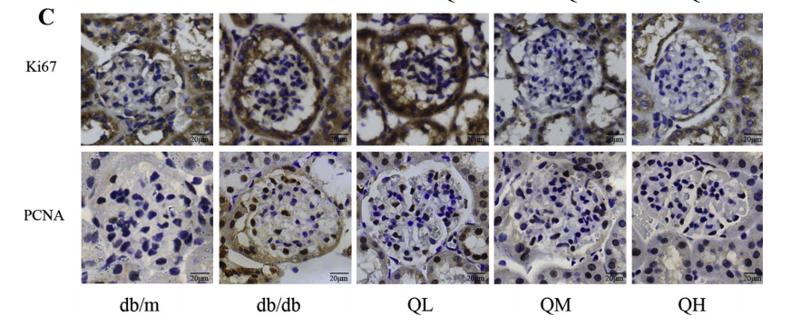
Figure 7 The role and mechanism of EM2 in inhibiting the tumor growth of NSCLC in vivo. Representative images of the subcutaneous tumor model in mice of control and EM2 (5 or 10 mg kg−1) group. B) Tumor volume in control and EM2 (5 or 10 mg kg−1) group. C) Quantification and analysis of the tumor weight in control and EM2 (5 or 10 mg kg−1) group. D) The expression levels of Ki67, YAP, CTGF, and CYR61 in tumors assayed by IHC in control and EM2 (5 or 10 mg kg−1) group. E) Expression levels of MST1, LATS1, and YAP and their phosphorylation forms along with downstream protein CTGF and CYR61 were examined by Western blotting in control and EM2 (5 or 10 mg kg−1) group. F) Representative images of tumors in subcutaneous mouse model, grouped by treatment with EM2 with or without XMU-MP-1. G) Tumor volume in each group of EM2 with or without XMU-MP-1. H) Quantification and analysis of the tumor weight in each group of EM2 with or without XMU-MP-1. I,J) Representative images I) and quantification J) of the expression levels of Ki67, YAP, CTGF, and CYR61 in tumors assayed by IHC in each group of EM2 with or without XMU-MP-1. Data are presented as mean ± SD.

4). Turmeric-Derived Nanoparticles Functionalized Aerogel Regulates Multicellular Networks to Promote Diabetic Wound Healing. Advanced science (Weinheim, Baden-Wurttemberg, Germany), 2024 (PubMed: 38441389) [IF=15.1]

5). GABP Promotes Mesangial Cell Proliferation and Renal Fibrosis Through GLI1 in Diabetic Nephropathy. Advanced science (Weinheim, Baden-Wurttemberg, Germany), 2025 (PubMed: 39985381) [IF=15.1]

6). Mitochondrial metabolism blockade nanoadjuvant reversed immune-resistance microenvironment to sensitize albumin-bound paclitaxel-based chemo-immunotherapy. Acta pharmaceutica Sinica. B, 2024 (PubMed: 39309498) [IF=14.7]

Application: IHC    Species: Mouse    Sample: 4T1 cells

Figure 5. TPP-TAM@Alb nanoparticles reduced the expression of PD-L1 and TGF-β protein to amplify T cell infiltration in 4T1 subcutaneous tumors for enhancing the tumor cell killing activity of PTX@Alb. (A, B) The typical image of the PD-L1 and TGF-β proteins in 4T1 tumors detected by Western blot assay after different treatments. (C–E) Quantification of the amounts of CD3+, CD8+, and CD4+ T cells in 4T1 tumors by the flow cytometry measurements after receiving various treatments (n = 5). (F) The representative immunofluorescence images of Ki67 protein, TUNEL, and H&E staining after PTX@Alb, TPP-TAM@Alb, anti-PD-L1 antibody, or PTX@Alb and TPP-TAM@Alb combination therapy, scale bar = 100 μm. (G, H) Quantification of the relative Ki67 and TUNEL mean fluorescence intensity (MFI) after different treatments (n = 3). All data are presented as mean ± SD. ∗P < 0.05 and ∗∗∗P < 0.001.

7). NAT10 promotes cell proliferation by acetylating CEP170 mRNA to enhance translation efficiency in multiple myeloma. Acta Pharmaceutica Sinica B, 2022 (PubMed: 35967285) [IF=14.7]

8). The NLRX1-SLC39A7 complex orchestrates mitochondrial dynamics and mitophagy to rejuvenate intervertebral disc by modulating mitochondrial Zn2+ trafficking. Autophagy, 2024 (PubMed: 37876250) [IF=14.6]

Application: IHC    Species: human    Sample: NP cells

Figure 1. Downregulation of NLRX1 correlates with aggravated human NP cell senescence and IDD progression. Human NP tissue specimens with different degenerative grades were collected for histological analysis. (A) Representative MRI images at T2 weight sequence were evaluated by Pfirrmann grading system. II: grade II, III: grade III, IV: grade IV. (B) histological analysis of human NP samples by alcian blue staining, scale bar: 100 μm. (C) immunohistochemical staining of CDKN2A, MKI67 and NLRX1 in different degenerative NP tissues, scale bar: 100 μm. (D and E) linear regression analyses of the tissue staining intensity of CDKN2A and that of NLRX1 (D), or the intensity of MKI67 and that of NLRX1 (E). AOD, average optical density. (F-H) protein expressions of senescence indicators (TP53, CDKN1A, CDKN2A), SASP factors (IL1B, IL6) and NLRX1 in primary human NP cells isolated from different degenerative NP tissues with the treatment of TBHP (100 μM), as determined by western blotting. (I-L) cell senescence (SA-GLB1/β-gal staining), cell proliferation (EdU incorporation) and NLRX1 expression (immunofluorescent staining) in primary human NP cells isolated from different degenerative NP tissues with the treatment of TBHP (100 μM), scale bar: 100 μm. (M and N) MRI examination, hematoxylin and eosin (HE) and safranin-O (SO) staining in sham or operation-induced degenerated disc of rat, scale bar: 500 μm (left panel), 50 μm (right panel). (O and P) immunohistochemical staining of aggrecan, collagen type II, NLRX1 and CDKN2A in sham or operation-induced degenerated disc of rat, scale bar: 500 μm (left panel), 50 μm (right panel). Data are represented as mean ± SD.

Application: IF/ICC    Species: human    Sample: NP cells

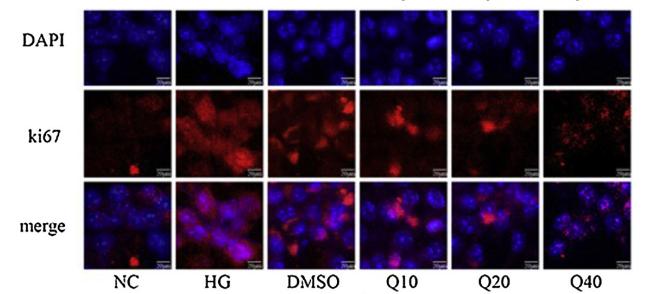
Figure 3. NLRX1 is essential for the beneficial action of mitophagy in alleviating mitochondrial dysfunction and NP cell senescence. Primary human NP cells isolated from NP tissues with different Pfirrmann grades were prepared. (A) confocal analysis of NLRX1 and MAP1LC3B with if staining in NP cells isolated from health NP tissues treated by PBS or TBHP, scale bar: 10 μm. (B) proteins immunoprecipitated (IP) from NP cells isolated from health NP tissues treated by PBS or TBHP followed by western blotting, left panel: IP with anti-MAP1LC3B antibody, right panel: IP with anti-NLRX1 antibody. (C) confocal analysis of TOMM20 and MAP1LC3B with if staining in NP cells isolated from degenerated NP tissues treated by PBS or TBHP with NLRX1 overexpression or not, scale bar: 10 μm. (D and E) protein expressions of mitophagy indicators (MAP1LC3B-II, TOMM20, TIMM23) in primary human NP cells isolated from degenerated NP tissues treated by PBS or TBHP with NLRX1 overexpression or not, as determined by western blotting. (F-I) JC-1 incubation for detecting mitochondrial membrane potential (MMP; F, H) and DCFH incubation for detecting reactive oxidative species (ROS; G, I) in NP cells isolated from degenerated NP tissues treated by PBS, TBHP or 3-MA with NLRX1 overexpression or not, as determined by flow cytometry. (J and K) protein expressions of senescence indicators (TP53, CDKN2A) and SASP factors (IL1B, IL6) in NP cells isolated from degenerated NP tissues treated by PBS, TBHP or 3-MA with NLRX1 overexpression or not, as determined by western blotting. (L and M) cell proliferation (MKI67 immunofluorescent staining, EdU incorporation) and cell senescence (SA-GLB1/β-gal staining) in primary human NP cells isolated from degenerated NP tissues treated by PBS, TBHP or 3-MA with NLRX1 overexpression or not, scale bar: 50 μm (IF images), 100 μm (white light images). Data are represented as mean ± SD.

9). Exosomes of human adipose stem cells mitigate irradiation injury to salivary glands by inhibiting epithelial-mesenchymal transition through miR-199a-3p targeting Twist1 and regulating TGFβ1/Smad3 pathway. Theranostics, 2025 (PubMed: 39897544) [IF=12.4]

10). Chemical conjugation mitigates immunotoxicity of chemotherapy via reducing receptor-mediated drug leakage from lipid nanoparticles. Science advances, 2024 (PubMed: 38838152) [IF=11.7]

Application: IF/ICC    Species: Mouse    Sample:

Fig. 5. Antitumor immunity and immunotoxicity of sHDLs. (A and B) Concentrations of IFN-γ, IL-12p40, and TNF-α (A) and percentage of mature DC (B) in DLN after different treatments. (C to G) Intratumoral density of CD11b+ cells (C), M1-to-M2 ratio (D), densities of CD3+ cells (E), and CD8+IFN-γ+ cells (F) and percentage of Ki67+ cells among CD8+ cells (G) after different treatments. (H and I) Concentrations of CXCL9 (H) and CXCL10 (I) in tumors after different treatments. (J to M) Density of GMP in a single femur (J), amounts of CD11b+ cells (K), and CD3+ cells (L) in blood, and number of CD3+ cells in DLN (M) after different treatments. (N) Immunofluorescence images of DLN collected from mice receiving different treatments. DAPI (blue), Ki67 (red), CD3 (pink), and CD20 (green). Data were presented as mean ± SD (n = 5), and statistical significance was calculated using a two-sided one-way ANOVA test.

加载更多

限制条款

产品的规格、报价、验证数据请以官网为准,官网链接:www.affbiotech.com | www.affbiotech.cn(简体中文)| www.affbiotech.jp(日本語)

产品的数据信息为Affinity所有,未经授权不得收集Affinity官网数据或资料用于商业用途,对抄袭产品数据的行为我们将保留诉诸法律的权利。

产品相关数据会因产品批次、产品检测情况随时调整,如您已订购该产品,请以订购时随货说明书为准,否则请以官网内容为准,官网内容有改动时恕不另行通知。

Affinity保证所销售产品均经过严格质量检测。如您购买的商品在规定时间内出现问题需要售后时,请您在Affinity官方渠道提交售后申请。

产品仅供科学研究使用。不用于诊断和治疗。 

产品未经授权不得转售。

Affinity Biosciences将不会对在使用我们的产品时可能发生的专利侵权或其他侵权行为负责。Affinity Biosciences, Affinity Biosciences标志和所有其他商标所有权归Affinity Biosciences LTD.